

Short answer: An intraoral scanner creates a three-dimensional image of your teeth and gums in a few minutes without using impression material. This image is transferred to planning software on a computer; the dentist plans the movement of the teeth step by step and can show it to you as a simulation. The simulation describes the intended plan; the actual result may vary according to the response of the person’s teeth and tissues.
How is a digital scan done?
The dentist moves a small pen-shaped scanner over your teeth inside your mouth. The scanner combines hundreds of images and turns the upper jaw, the lower jaw and the bite relationship into a three-dimensional model on the screen. The procedure generally takes a few minutes and there is no impression material in your mouth. In a traditional impression, the tray and paste placed in the mouth can be uncomfortable, especially for people with a gag reflex; with digital scanning this is mostly eliminated.
Is a scan enough on its own?
No. A digital scan shows the visible surface of the teeth. For the tooth roots, bone structure, impacted teeth and jaw relationship, a panoramic and, if needed, a cephalometric X-ray and in some cases three-dimensional imaging are required. Planning is done by assessing these records together. For the importance of the examination, you can look at our page on the first orthodontic examination.
How does 3D planning work?
- Collecting records: The scan, photographs, X-rays and a bite record
- Setting the goal: The dentist determines the position the teeth and the bite relationship are expected to reach
- A step-by-step movement plan: In what order and in which direction the teeth will move is planned, along with the use of interproximal reduction, attachments or elastics if needed
- Reviewing the simulation: The dentist goes over the plan together with you and makes changes if necessary
- Application: Clear aligners or other types of appliance are prepared according to the plan
- Check-ups: During treatment, progress is monitored with new scans and comparison
For details on what the digital simulation shows, you can read our article on the digital simulation in clear aligner planning.
Benefits of digital planning
- A more comfortable recording process because impression material is not used
- Being able to ask questions by seeing the tooth movement plan on screen
- Aligners and appliances being producible to individual measurements
- Scans being comparable throughout treatment
- Records being stored in digital form
What are its limits?
- A simulation is a plan; it does not mean the result will happen exactly as shown, as tooth movement varies from person to person.
- Aligner wear time, compliance with the dentist’s recommendations and biological response affect the result.
- A scan does not replace X-rays and the clinical examination.
- Not every orthodontic problem can be solved with clear aligners alone; in some cases an additional appliance or surgical support is considered.
To see how clear aligners are planned, you can also look at our page on clear aligner treatment.
Where else is digital scanning used besides orthodontics?
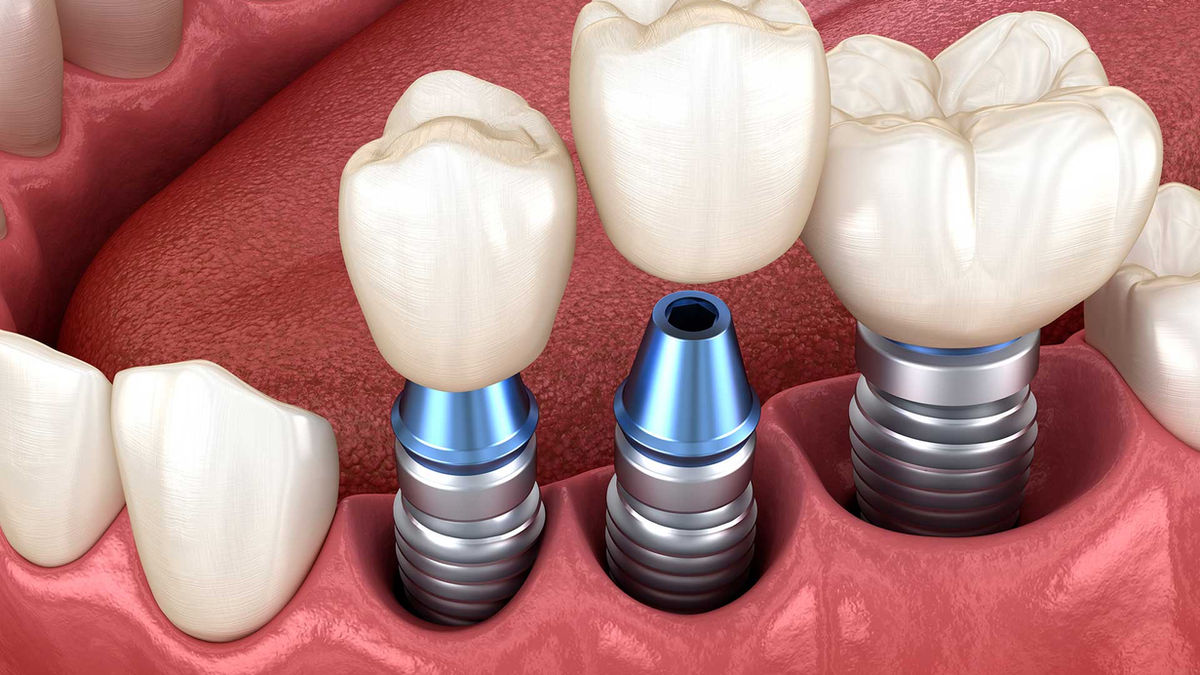
The same technology is also used in implant planning, in preparing crowns and bridges and in smile design. Obtaining a three-dimensional model of the teeth makes planning in different fields easier.
What does digital planning give the patient?
When the planning becomes visible on screen, it is easier to talk about the treatment goal and the intermediate steps. For example, which teeth will move first, where the attachments will be placed or whether space needs to be created between the teeth can be reviewed together. This transparency increases the patient’s participation in the process.
Another benefit is that scans taken during treatment can be compared with the plan. Whether the aligners are seating as planned and whether the teeth are reaching the expected position are assessed at the check-up appointments. If necessary, the plan is updated and new aligners are prepared. For our aligner usage guide, you can look at the page clear aligner usage and care guide.
Preparing for the scan
- Brush your teeth and clean your mouth; this makes the record clearer.
- Tell the dentist if you have recently had a new filling or crown.
- If you have a gag reflex, say so in advance; breaks can be taken during the scan.
After the scan, the records are stored digitally and used throughout treatment. For details on the protection of personal data, you can look at our page on the KVKK information notice.
In conclusion
Digital scanning and three-dimensional planning are tools that make the orthodontic process more understandable and traceable. However, they do not take the place of the examination, X-rays and the dentist’s assessment; they support the dentist’s clinical decision. However detailed the simulation describing the plan, the actual speed and result of tooth movement can vary from person to person.
Frequently asked questions
Does a digital scan hurt?
The scanner takes images without touching the teeth or by touching them lightly. Most people feel no discomfort during the scan; for those with limited mouth opening the time may be longer.
Will the result in the simulation happen exactly?
The simulation shows the intended plan. Because tooth movement can vary from person to person, the plan may be updated during check-ups.
Does a digital scan replace an X-ray?
No. A scan records the visible surface of the teeth; X-rays and, if needed, three-dimensional imaging are used to assess the roots, bone and impacted teeth.
How do you find out what suits you?
The information here is general; the right plan for you is determined by an examination and the dentist’s assessment. At our clinic in Oran, Çankaya, Ankara, we go through your questions together during the first orthodontic examination.