Orthodontics in adolescence

Invisalign Teen: Clear Aligner Treatment for Teenagers

Invisalign Teen is a clear aligner treatment approach designed for teenagers who have moved, or are moving, into the permanent dentition. On this page we have gathered what you need to know about its design that leaves room for erupting teeth, wear indicators and how it fits in with daily life such as school, sport and music.

A teenager with a clear aligner and its case
  • Age rangeUsually ages 11–18
  • Wear20–22 hours a day
  • Aligner changeUsually every 1–2 weeks
  • Check-upsUsually every 6–10 weeks
Aligners for teenagers include extra planning for teeth that are still coming through.

What is Invisalign Teen?

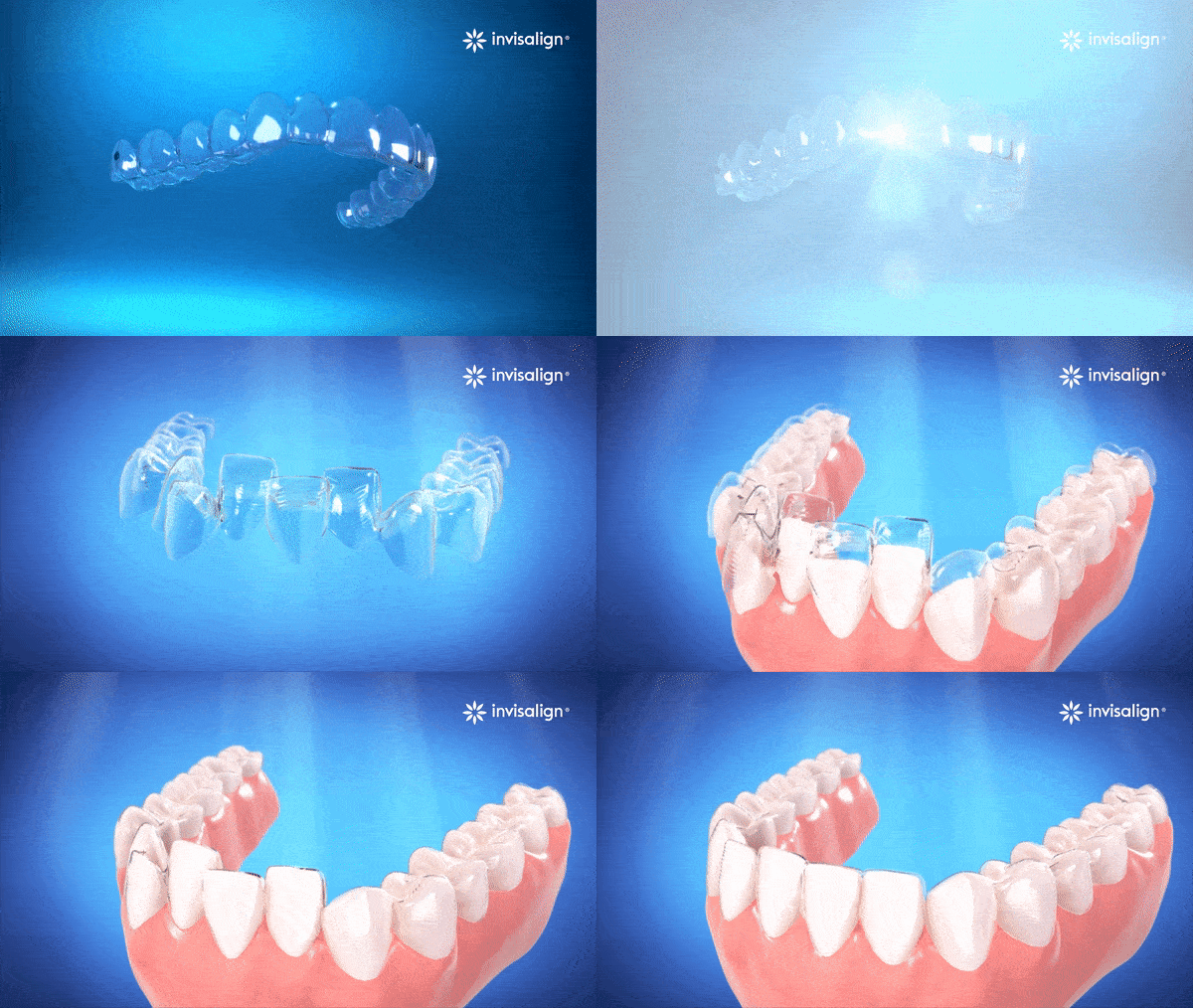
Invisalign Teen is clear aligner treatment carried out during adolescence, when most of the permanent teeth have erupted. Unlike adult treatment, the aligners can leave space for molars that are still erupting and may have wear indicators that help track whether the aligners are being worn.

Because jaw growth is still continuing in teenagers, some bite problems can be planned to make use of growth. Which problems can be treated more predictably with clear aligners and which with braces or an appliance is assessed at the examination.

Which problems can it be used for?

  • Mild to moderate crowding
  • Gaps between teeth
  • Deep bite and open bite (in suitable cases)
  • Crossbite of dental origin
  • Forward-tilted (protruding) front teeth
  • Mandibular advancement for a retruded lower jaw in suitable cases

Impacted canines, severe skeletal discrepancies or cases requiring rotation of many teeth may need different methods or combinations.

Topics specific to teenagers

Tracking wear

For treatment to work, the aligners need to be worn 20–22 hours a day. Wear indicators on some aligners change colour depending on time spent in the mouth and help both the teenager and the dentist keep track of wear. These indicators give a rough idea; they are not a precise measuring tool.

Erupting teeth

Space can be left in the aligners for teeth that have not yet erupted or are erupting, such as the 12-year molars. This way the natural eruption of the teeth is not blocked.

School, sport and music

  • School: Because the aligners are clear, most people don't notice them; if something is eaten at break, the aligners must be taken out.
  • Sport: In contact sports a mouthguard may need to be worn instead of the aligners; the aligners go back in after training.
  • Wind instruments: Most teenagers can play with aligners after a short adjustment period; if needed, the aligners are taken out during practice and the time is made up in the daily total.

The treatment process

  1. Examination, X-rays and intraoral 3D scan
  2. Preparing the digital treatment plan and reviewing it together with the family
  3. Bonding attachments if needed and fitting the aligners
  4. Aligner changes and regular check-ups
  5. Retention (retainer) phase at the end of treatment

Treatment length varies with the case but is usually between 12 and 24 months.

A short checklist for parents

  • Are the aligners worn day and night?
  • Are the teeth brushed and the aligners put back after meals?
  • Are aligner changes made on schedule?
  • Is the aligner case in the school bag?
  • Have the check-up appointments been booked?

Frequently asked questions

How many hours a day should clear aligners be worn?

Wearing them 20–22 hours a day is usually recommended. The aligners come out only for eating, for drinking anything other than water, and for brushing. Wearing them for less time can delay the teeth reaching their planned position and make it harder for the next aligner to fit.

Will the aligners affect my speech?

In the first days you may have a slight lisp on some sounds. As your tongue gets used to the aligner, this mostly passes within a few days. Reading aloud and talking help you get used to it faster.

I lost or broke my aligner. What should I do?

Let the clinic know as soon as possible. Depending on the situation, your orthodontist may advise you to keep wearing the previous aligner or move to the next one, or a new aligner may need to be made. Until it is decided what to do, having an aligner in your mouth if possible stops the teeth from shifting back.

Can I wear aligners while doing sport?

Aligners can be worn for most sports. If a mouthguard is needed for contact sports, discuss this with your orthodontist. During intense exercise, keep drinking water.

Can children wear clear aligners consistently?

Consistent wear is key to the success of treatment. Family support, a clear daily routine and following progress together at check-ups make it easier. Some aligners for teenagers have colour-changing indicators that give an idea of wear time.

What should be done if an aligner is lost or broken?

Contact the clinic right away. In most cases moving to the previous or next aligner is recommended; the orthodontist decides which aligner to wear. Going without an aligner for a long time can cause the teeth to move back.

For teenagers, clear aligners or braces?

Both methods are effective in suitable cases. Aligners offer advantages in appearance and hygiene but need regular wear; braces do not depend on wear. The choice is made together at the examination, based on the type of problem, the teenager's cooperation and the family's preference.

Can treatment be paused during exam periods?

The aligners need to keep being worn; however, check-up appointments can be planned around the exam calendar. By talking to the clinic before busy periods, you can arrange aligner changes and check-ups together.

Last updated: This page is for general information and does not replace an examination or diagnosis.

WhatsApp

Appointment request

Choose a day and time window that suits you; the clinic will call you or message you on WhatsApp to confirm.

If you prefer, you can call us on 0312 911 60 36 instead.