Digital smile design (DSD) is the planning of aesthetic dental treatment using digital photos, video and three-dimensional models. It is not a treatment in itself but a planning and communication tool that helps decide how treatment will be carried out.
What is it for?
- It lets the patient's expectations be discussed over a concrete visual.
- It helps assess facial and smile criteria systematically.
- It creates a shared plan between the orthodontist, dentist and dental technician.
- Where suitable, it allows the design to be tried in the mouth.
Which treatments is it used to plan?
- Orthodontic treatment and clear aligner planning
- Laminate veneers and crowns
- Composite bonding
- Gum contouring
- Shade planning after teeth whitening
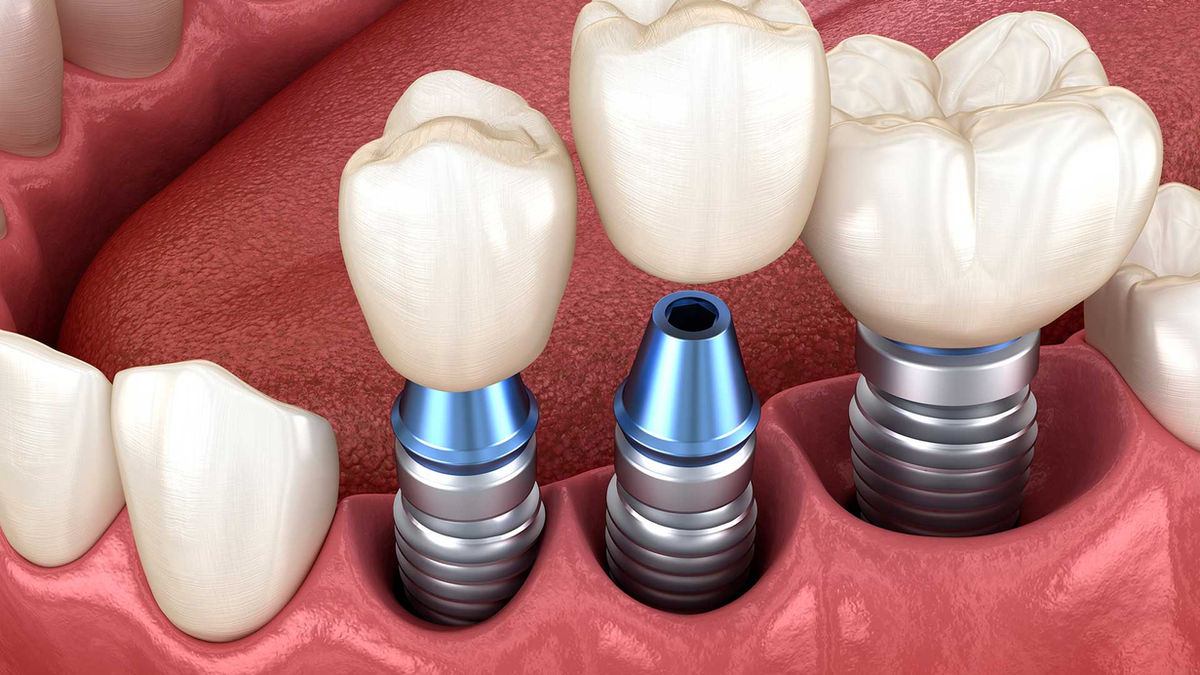
- Implant-supported restorations
Who is it suitable for?
- People with aesthetic concerns about the shape, colour or alignment of their teeth
- Situations where several treatments need to be planned together
- People who want to visualise the treatment outcome in advance
If there is active decay or gum disease, these need treating first.
A personalised approach
Every face is different, so proportions considered ideal are not applied to everyone in the same way. Age, sex, facial structure and personal preferences shape the design. For the criteria used in smile aesthetics, see our article on the golden ratio and gum appearance.
Limits
- The visuals are for planning; the outcome can vary depending on the person's biology.
- Not every design can be applied in every mouth; gum, bone and bite conditions are decisive.
For the stages of the process, read our article how is digital smile design done?