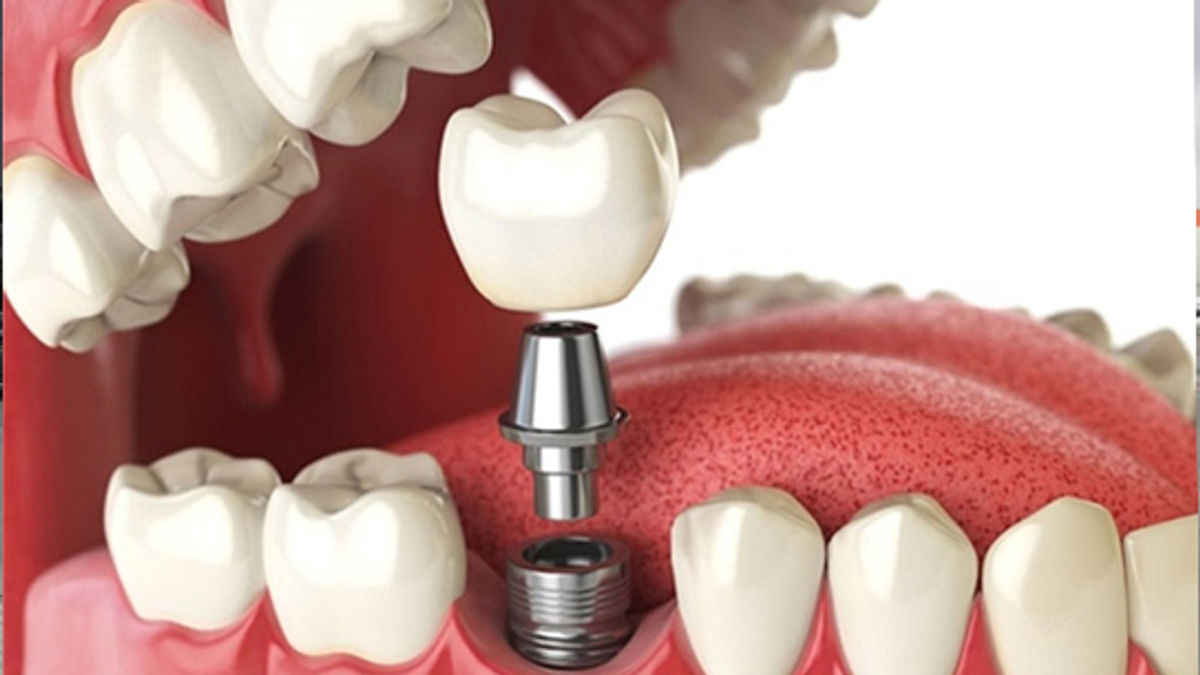
Dental implants are artificial roots placed in the jawbone to replace missing teeth. Whether implant treatment works well in the long term depends largely on how accurate the planning is before the surgical stage.
The aim of planning
- Placing the implant safely and in the correct position in the bone
- Protecting structures such as nerves, the sinus and neighbouring tooth roots
- Making sure the prosthesis placed on it is functionally and aesthetically in the right position
- Identifying additional procedures such as bone grafting in advance, if needed
Planning stages
1. Medical history and examination
General health, medications, smoking, gum health and the bite are assessed. Uncontrolled diabetes, some bone medications and heavy smoking can affect the treatment plan.
2. Panoramic X-ray
Gives an overview; but because it is two-dimensional, it provides limited information about the width and three-dimensional structure of the bone.
3. Cone beam computed tomography (CBCT)
The height, width and density of the bone, and the position of structures such as nerves and the sinus, can be assessed in three dimensions.
4. Prosthesis-driven planning
The position of the implant is decided according to the ideal position of the tooth that will be placed on it. That is why planning is done together with the prosthesis.
5. Timing
Whether the implant is placed immediately after extraction or after healing is decided according to the condition of the bone and whether there is infection.
Orthodontic assessment
If the teeth next to the gap have tilted or the bite has changed, orthodontic treatment may be needed before the implant. Because an implant cannot be moved once placed, the order matters. For details, see our page on dental implants and orthodontics.
After planning
Once planning is complete, the treatment stages, estimated duration, possible risks and alternatives are shared with the patient. For more on digital planning tools, see our article on digital implant planning.


