A fixed bridge normally does not move in the mouth. If you notice a bridge wobbling, shifting or a feeling of “give” when chewing, there is a reason, and it usually does not resolve on its own. Early assessment is important for protecting the supporting teeth.
Why does a bridge come loose?
Dissolving cement
The cement that fixes the bridge to the supporting teeth can wash out over time. When one end of the bridge loosens, bacteria and food debris seep underneath, which can lead to decay in the supporting tooth.
Decay in a supporting tooth
Decay starting at the edge of the bridge can progress unnoticed under the crown and weaken the structure of the supporting tooth.
Fracture of a supporting tooth
Root-canal-treated or heavily filled supporting teeth can fracture under load.
Gum disease and bone loss
When the bone around the supporting teeth decreases, the teeth themselves start to move; in that case it is not the bridge that is loose but the teeth carrying it.
Clenching and grinding
Night-time clenching puts excessive force on the bridge and the supporting teeth.
Signs
- A feeling of movement in the bridge when chewing
- A bad taste or smell from the edge of the bridge
- Pain or sensitivity in the supporting teeth
- Redness, swelling or bleeding of the gums
- A feeling that your bite has changed
What should you do?
If you notice your bridge is loose, do not try to remove or re-glue it yourself; household adhesives can damage the supporting teeth. Avoid chewing hard foods on the loose side and see a dentist.
Treatment options
- Re-cementing: If the supporting teeth are sound, the bridge can be removed, cleaned and cemented again.
- Treating decay and a new bridge: If there is decay in a supporting tooth, it is removed, root canal treatment is done if needed and the bridge is replaced.
- Gum treatment: If gum disease is the cause, the inflammation is brought under control first.
- Night guard: If you clench, a protective guard may be recommended.
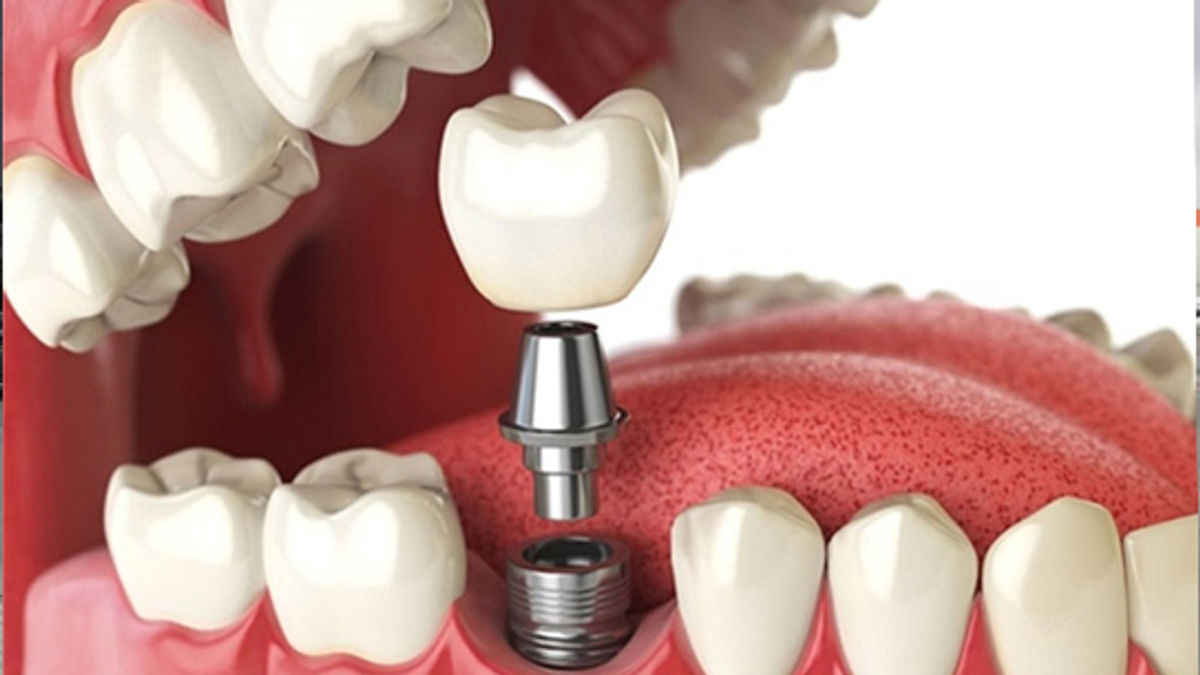
- Alternative planning: If the supporting teeth cannot be saved, implant-supported solutions can be considered.
To make a bridge last longer
- Clean under the bridge and around the supporting teeth every day with an interdental brush or bridge floss.
- Do not crack hard shells with the bridge.
- If you clench your teeth, talk to your dentist.
- Have a check-up every six months.
For gum changes under a bridge, you can also read our article on gum recession under a bridge.