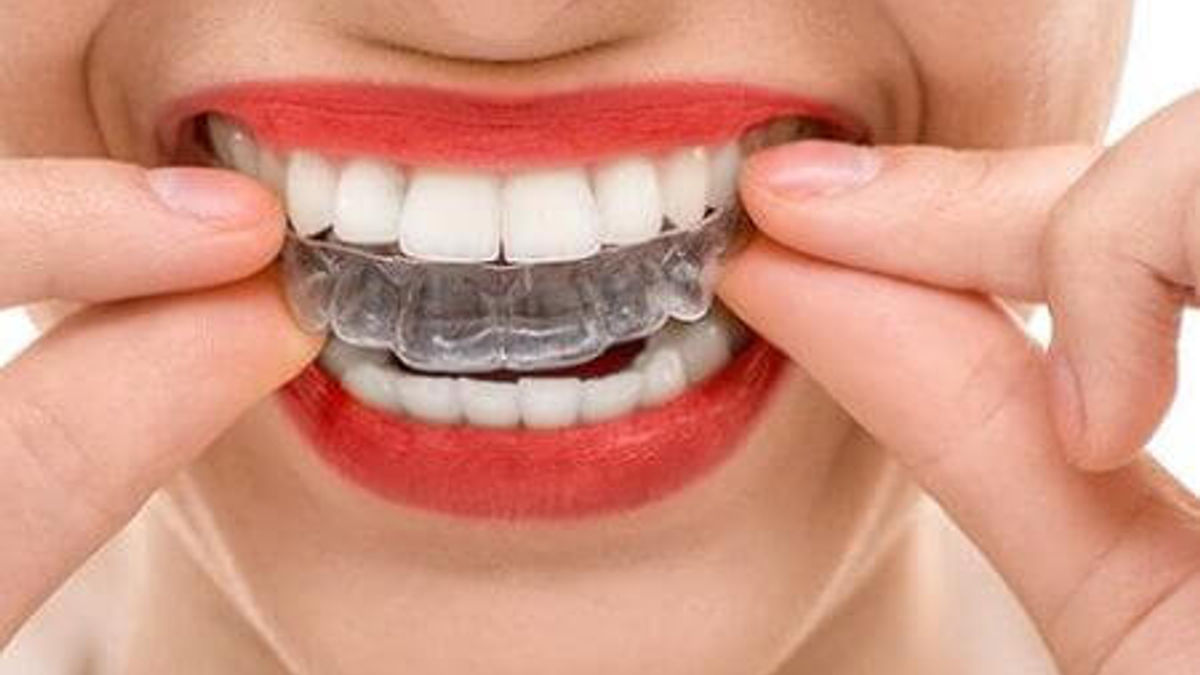
Protruding teeth (upper front teeth that tilt or stick forward) and deep bite (upper front teeth covering the lower teeth too much) are orthodontic problems that often occur together. Both can affect appearance as well as oral health.
Causes
Thumb sucking and long-term dummy use
When these habits continue after the permanent teeth start to come through, they can push the upper front teeth forward, leading to protruding teeth and an open bite.
Tongue pressure on the teeth
Pushing the tongue against the front teeth when swallowing and speaking (an atypical swallowing pattern) can affect the position of the teeth.
Hereditary and skeletal factors
A lower jaw that sits back or an upper jaw that sits forward can cause the appearance of protruding teeth and a deep bite.
Lower lip habit
When the lower lip rests behind the upper front teeth, it can increase their forward tilt.
Possible health problems
- Risk of protruding teeth breaking in falls and knocks
- Lips that cannot close fully, and a dry mouth
- In deep bite, lower front teeth hitting the palate and injuring the gums
- Wear on the front teeth
- Jaw joint discomfort in some people
Treatment methods
- In children: Growth can be guided by stopping habits, functional appliances and, if needed, methods such as mandibular advancement with clear aligners.
- Clear aligners: The position and tilt of the teeth can be corrected in dental protrusion and mild to moderate deep bite.
- Braces: May be preferred in cases needing extensive correction.
- Skeletal cases in adults: With a marked jaw discrepancy, orthodontics and orthognathic surgery can be planned together.
For more detail, see our protruding teeth treatment and deep bite treatment pages.
When should it be assessed?
Especially in children, once protruding teeth are noticed it is advisable not to delay an assessment, because of the injury risk and the chance to make use of growth. The recommended age for a first orthodontic check-up is around 7.