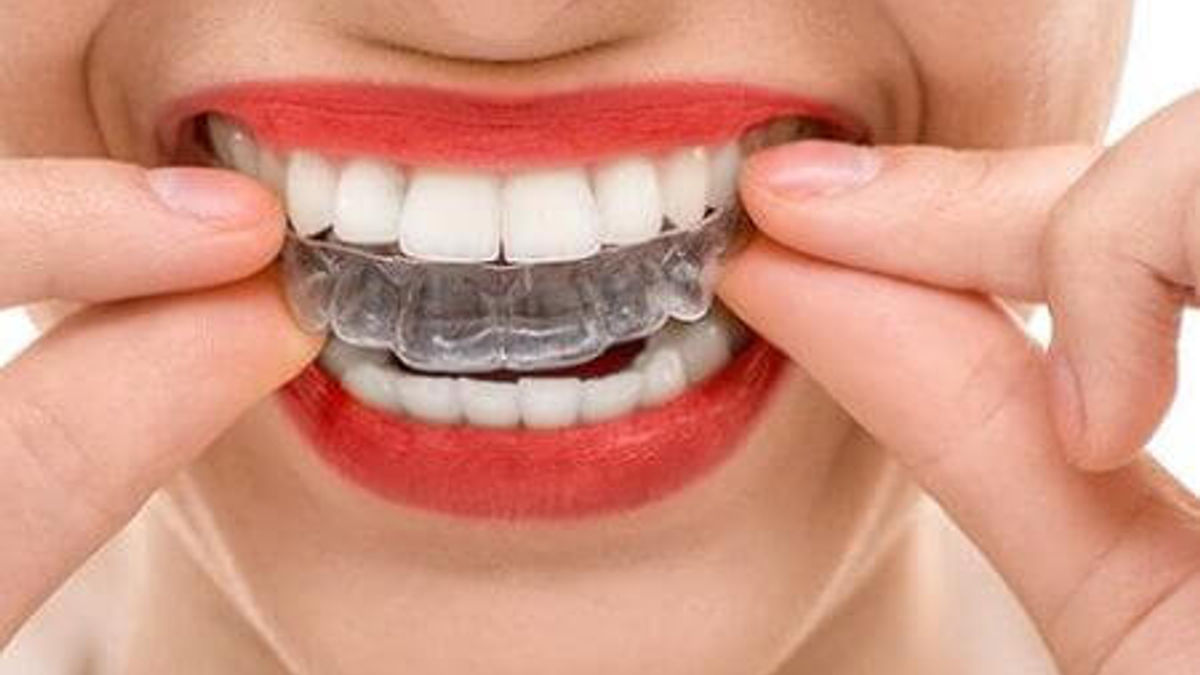
The day the brackets come off after a long orthodontic treatment is exciting. But the end of treatment is also the start of a period in which the result needs to be maintained. Without retention, the teeth can drift back towards their old positions; in orthodontics this is called relapse.
Why do teeth shift?
- Tissue adaptation: The fibres attaching the teeth to the bone need time to adapt to the new position.
- Age-related changes: Teeth tend to move slightly throughout life; crowding of the lower front teeth in particular can increase over time.
- Habits: Habits such as tongue thrusting, clenching and nail biting.
- Continued growth: In young people, jaw growth may continue after treatment.
- Wisdom teeth: Although their role is debated, many people notice changes during this period.
How can you prevent shifting?
- Fixed retainer: A thin wire bonded behind the front teeth provides continuous protection.
- Removable retainer: A clear retainer or removable appliance worn at night.
- Regular wear: Wearing it as long and as often as your orthodontist advises; long-term, even indefinite, night-time wear is often recommended.
- Check-ups: The fit and condition of the retainer should be checked regularly.
What can be done if your teeth have shifted?
Minor shifting can often be corrected with a short course of clear aligner treatment. More noticeable shifting requires a comprehensive reassessment. After the correction, retainer wear is planned again.
If your retainer is broken
A broken or detached retainer can cause the teeth to move quickly. For what to do in this case, see our article on broken retainers.
For full details on retention, see our retention page.