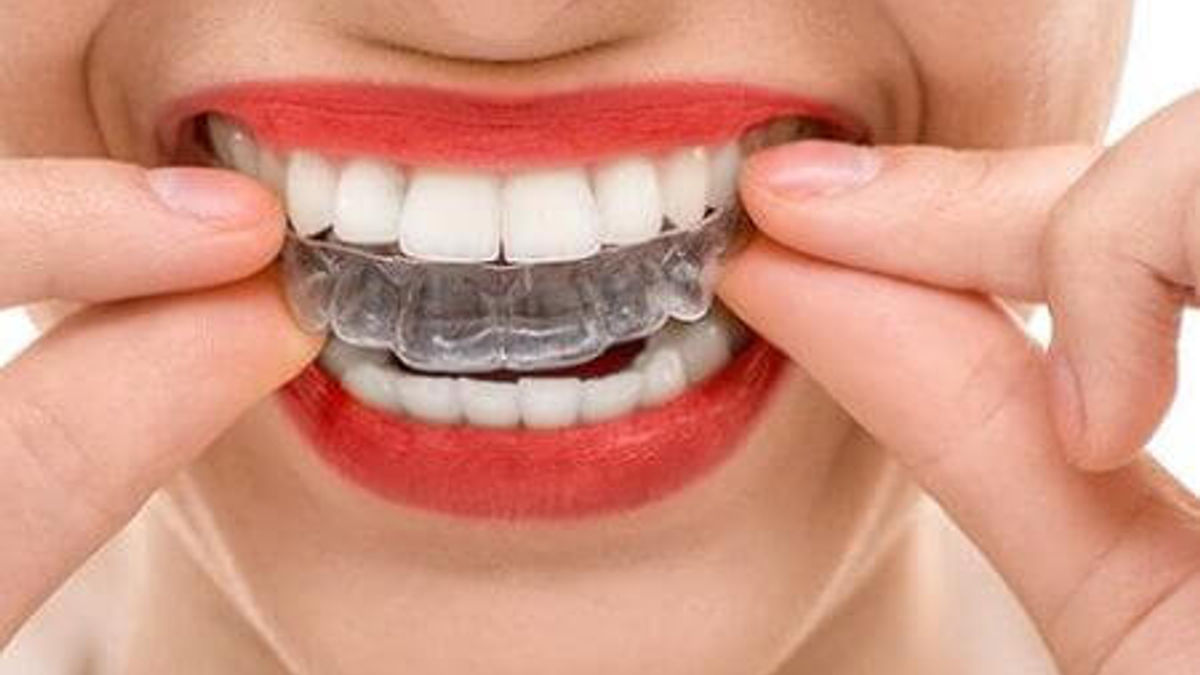
The retainer used after orthodontic treatment keeps the teeth in their new positions. When a removable retainer breaks or the fixed wire bonded behind the teeth comes loose, the teeth may start moving back towards their old positions.
Why do teeth move back?
After orthodontic treatment, the tissues around the teeth need time to adapt to the new position. Teeth also tend to move slightly throughout life. The retainer prevents this movement; once it can no longer be used, the teeth, especially the lower front teeth, can start to shift within just a few weeks.
If a removable retainer has broken
- Do not force a broken retainer in; sharp edges can injure your mouth.
- Ask your clinic whether you can temporarily use a previous retainer or your last clear aligner, if you have one.
- Make an appointment as soon as possible so a new one can be made.
If a fixed retainer wire has come loose or broken
- Do not try to pull or bend the wire yourself.
- If it is digging in, you can protect the area temporarily with orthodontic wax.
- Even if the wire has come off just one tooth, that tooth can move freely; let your clinic know.
How long can you wait?
The longer the wait, the more likely the teeth are to shift. A retainer remade quickly usually prevents the problem; after a long time without one, a short course of orthodontic treatment may be needed again to correct the shifted teeth.
To make your retainer last longer
- Clean a removable retainer only with lukewarm water and a soft brush.
- Keep it in its case when you are not wearing it, out of reach of pets.
- Do not eat with your retainer in.
- If you have a fixed retainer, clean under the wire with an interdental brush or a floss threader.
- Bring your appliance with you to check-ups.
For detailed information about retention, see our retention page.