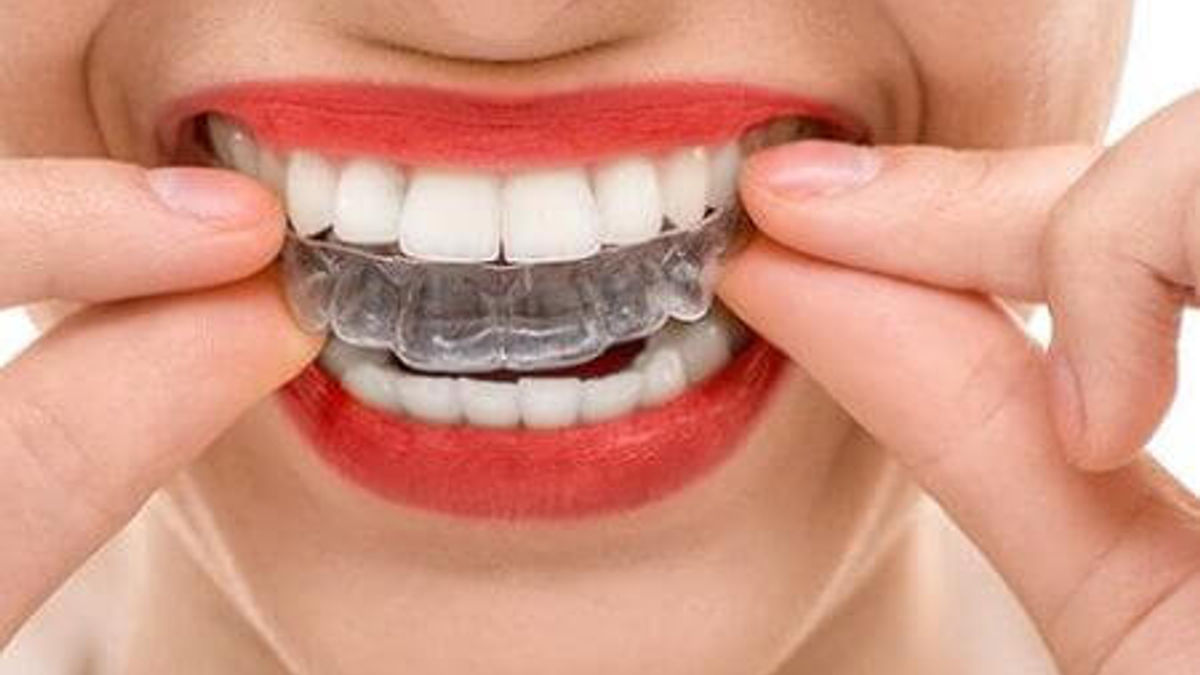
When people think of smile aesthetics, they usually think of tooth colour and shape. Yet the position of the teeth, gum levels and the relationship between upper and lower teeth are also key to how a smile looks. This is why the orthodontic situation is taken into account in an aesthetic assessment.
Why tooth position first?
When crowded, spaced or tilted teeth are simply made to "look straight" with crowns or veneers, more tooth tissue may need to be removed. When the teeth are first moved into a suitable position orthodontically:
- Less reduction may be needed for cosmetic restorations,
- Gum levels can become more balanced,
- In some cases, no additional cosmetic procedure may be needed.
The role of clear aligners in aesthetic planning
Clear aligners are often chosen as preparation for cosmetic treatment by adults who do not want to wear a visible appliance during treatment. Digital planning allows tooth movements to be assessed together with aesthetic goals.
Treatments that can be planned together
- [Teeth whitening](/dis-beyazlatma-park-oran): Usually planned at the end of or after orthodontic treatment.
- Composite bonding: Can be used to correct small shape irregularities.
- [Laminate veneers](/post/laminate-veneer-ile-hayalinizdeki-gulumseme_oran_cankaya_ankara_dis_klinigi): Assessed for colour and shape problems, after orthodontics if needed.
- Gum contouring: May be considered for uneven gum levels.
The right order
- Establishing oral health (treating decay and gum disease)
- Orthodontic treatment
- Whitening
- Restorative cosmetic treatments if needed
- Retention and regular check-ups
About expectations
An aesthetic assessment is individual. Digital simulations help with planning; however, because every person's biology is different, results can vary from person to person. The options, with their advantages and limits, are discussed at the examination.