One of the questions people considering orthodontic treatment ask most often is how long it will take. Although the exact duration varies from person to person, having a general idea and knowing the factors that affect it helps set clear expectations.
Typical durations
- Mild cases: Slight crowding or small gaps limited to the front teeth can usually be corrected in anywhere from a few months to a year.
- Moderate cases: Cases that also need bite correction mostly take 12–24 months.
- Comprehensive cases: Treatment for skeletal problems, cases needing extractions or treatment planned together with surgery can take longer.
- Early treatment (Phase 1): In children it usually takes 6–18 months, followed by a monitoring period.
Factors that affect treatment length
Type and severity of the problem
How far the teeth need to move and the relationship between the jaws are the main factors determining the duration.
Age
In growing children, some problems can be corrected more easily by making use of growth. Treatment is also possible in adults, although some movements may take more time.
Wear and cooperation
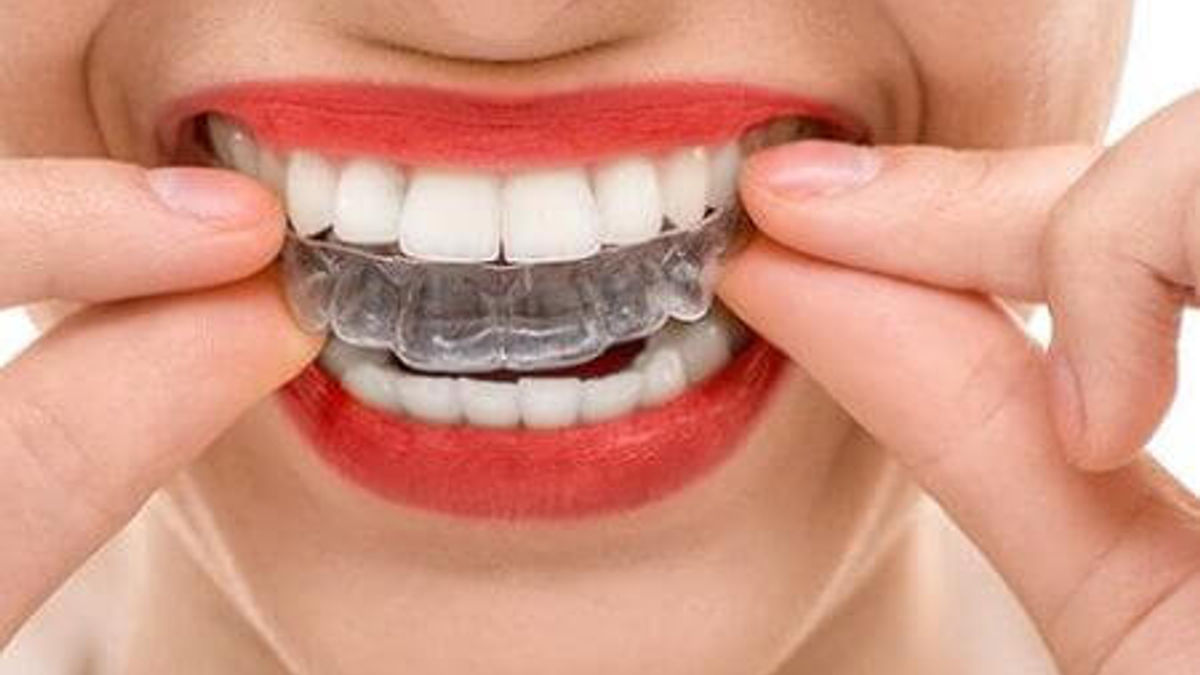
Wearing clear aligners 20–22 hours a day and using elastics regularly directly affect the duration.
Attending check-ups regularly
Missed check-ups can slow the progress of treatment.
Oral health
Tooth decay or gum problems may require treatment to be paused.
Broken appliances
Frequently broken brackets or lost aligners can extend the duration.
Is there a difference in duration between clear aligners and braces?
In similar cases the duration is often close. The real difference comes from how well the method suits the case and from the patient's cooperation. For a detailed comparison, see our clear aligners or braces? page.
After treatment
When active treatment ends, the retention phase begins. This phase is at least as important as active treatment for keeping the result. For details, see our retention page.
Your personal estimated duration is discussed after the examination and digital planning.