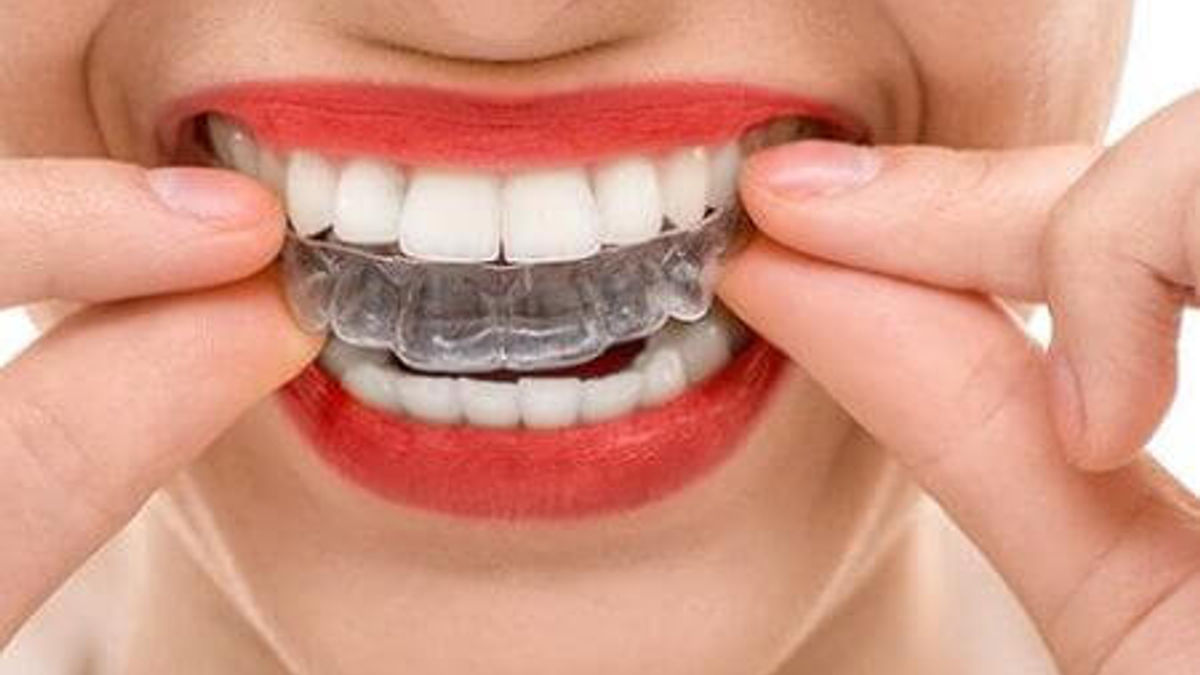
Clear aligner treatment is an increasingly common choice among adults and teenagers considering orthodontic treatment. In this article we look at both the conveniences the method offers and the limits to keep in mind.
Advantages
Appearance
The aligners are clear and most people do not notice them unless they look closely. This is an important reason for choosing them, especially for people who are working.
Oral hygiene
Because the aligners are removable, the teeth can be brushed and flossed normally.
Eating
Since the aligners are taken out for meals, there are no restrictions on hard or sticky foods as there are with braces.
Comfort
There are no poking wires or broken brackets; irritation of the cheeks and lips is less common.
Digital planning
The planned movements of the teeth can be seen digitally before treatment begins.
Check-up frequency
Check-ups can often be scheduled less frequently than with braces.
Limits
Wear compliance
The aligners must be worn 20–22 hours a day. If they are not worn, treatment does not progress or takes longer.
Case selection
Some complex tooth movements and marked skeletal problems may not be predictably corrected with aligners alone; auxiliaries, braces or surgery may be needed.
Habits that require discipline
You need to brush your teeth and put the aligners back after meals, and drink only water with the aligners in.
Risk of loss and breakage
Because they are removable, they can be lost or broken.
Attachments
Small tooth-coloured bumps may need to be bonded to some teeth.
Conclusion
Clear aligner treatment is an effective and comfortable option in suitable cases; however, it is not the only right method for every case. Which method suits you is determined by an examination and assessment of your records. For a detailed comparison, see our clear aligners or braces? page.