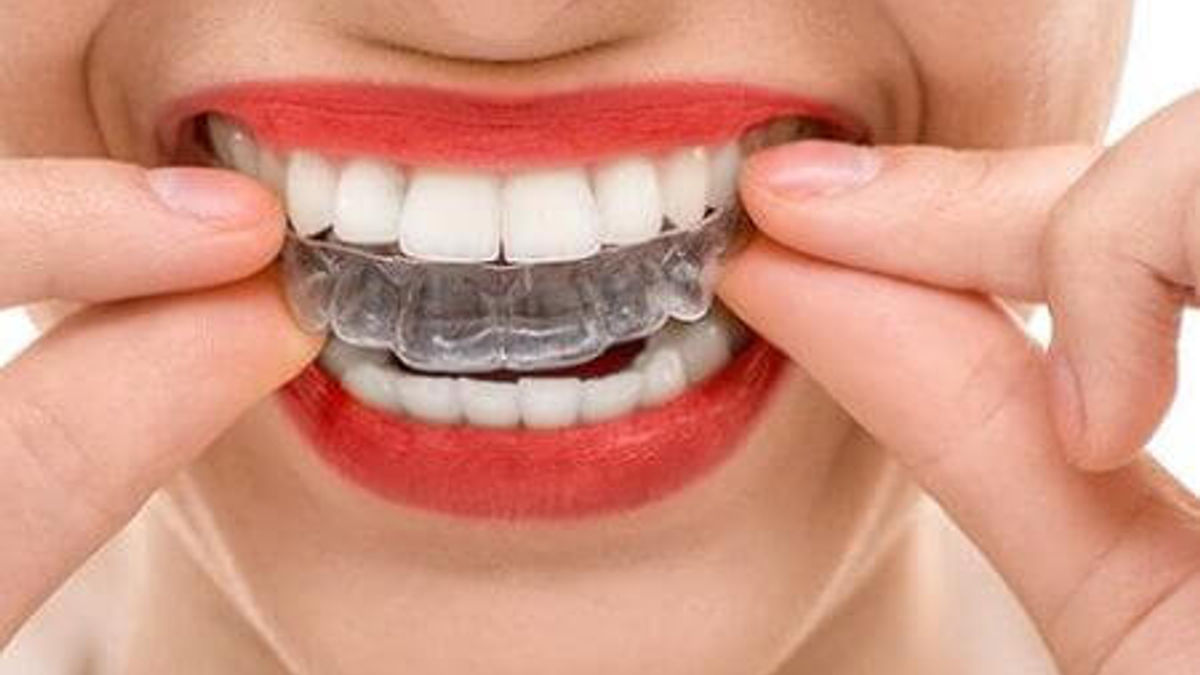
If dark spaces (buccal corridors) are prominent next to the teeth at the corners of the mouth when you smile, this is often linked to a narrow dental arch. A narrow arch is not only an aesthetic matter; it can also come with problems such as crowding and crossbite.
What causes a narrow dental arch?
- Inherited jaw structure
- Mouth breathing, long-term thumb sucking or dummy use in childhood
- The tongue resting on the floor of the mouth, away from the palate
- Teeth tipping inwards because of crowding
How do clear aligners expand the arch?
In the digital treatment plan, the teeth are planned to move outwards in small steps. Each aligner carries out part of this movement. This way:
- Room is gained for crowded teeth,
- Inward-tilted teeth are uprighted,
- A fuller look can be achieved when smiling.
How does it differ from palatal expansion?
Expansion with clear aligners is mostly dental; that is, the position and tilt of the teeth change. Palatal expansion appliances, by contrast, open the suture in the middle of the palate during growth to achieve skeletal expansion. If the narrowing is marked and skeletal, especially in children, palatal expansion may be more suitable. In adults, mini-screw-assisted methods may be considered for skeletal narrowing.
Limits
- The amount of expansion is limited by the bone and gum tissue supporting the teeth.
- Excessive expansion can increase the risk of gum recession.
- If there is a crossbite in the back teeth, the type of expansion must be chosen carefully.
After treatment
Because an expanded arch can tend to relapse, regular use of retention appliances after treatment is important.
Smile aesthetics differ from person to person; during digital planning, your expectations and the biological limits of your teeth are assessed together.