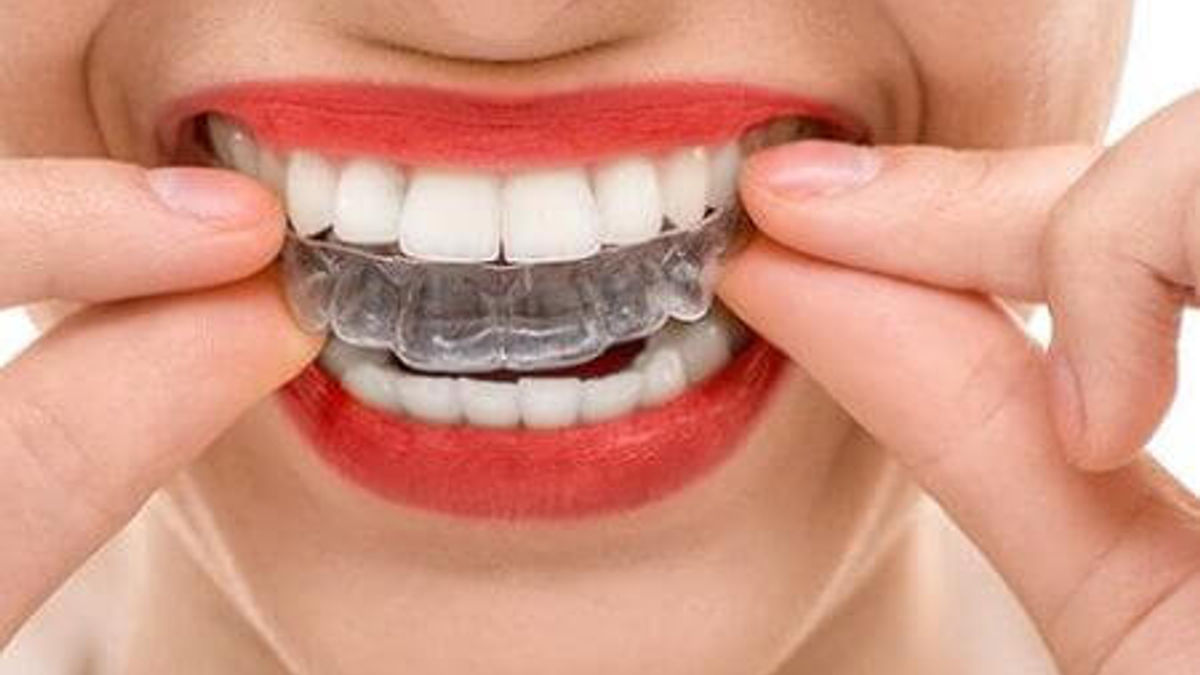
Clear aligners are usually comfortable; sometimes, though, the edge of an aligner can rub against the gums, tongue or inside of the cheek and cause irritation, small sores or a cutting feeling. This is most often noticed when switching to a new aligner.
Why does an aligner cut?
- A sharp or rough edge: A small ridge left during manufacturing or trimming
- A trim line too close to the gums: The aligner edge can touch sensitive gum tissue
- An aligner that is not fully seated: An aligner that does not sit properly can press at different points
- Attachments and elastic cut-outs: Some areas of the aligner may have bumps
- A cracked or broken aligner: Broken edges can be sharp
What to do first
- Take the aligner out and check its edges carefully for cracks or breaks.
- Check that the aligner is fully seated; use a chewie if needed.
- You can protect the irritated area temporarily with orthodontic wax.
- Rinsing with warm salt water can help soothe the sore.
- Contact your clinic to report the problem; if possible, share a photo of the edge.
Can you file the aligner yourself?
It is not recommended to adjust the aligner yourself with scissors, a nail file or sandpaper. The reasons:
- The aligner's grip and the tooth movements can be affected.
- Too much material may be removed by mistake, or the aligner may crack.
- A rough surface can cause even more irritation.
The necessary adjustment can be made at the clinic in a few minutes with suitable instruments.
When should you contact the clinic straight away?
- If the aligner is cracked or broken
- If the sore does not heal within a few days or is getting bigger
- If the aligner does not seat on the teeth
- If swelling or pain in the gums increases
If an aligner breaks or is lost, the dentist decides which aligner to move to. You can find general information on this on our clear aligner problems and solutions page.
To prevent irritation
- When putting in and taking out aligners, work gently with your fingertips, starting from the back teeth.
- Do not rinse aligners in hot water; they can lose their shape.
- Clean your aligners every day and keep them in their case.
- Pay special attention to the edges in the first days of a new aligner.